














BlogAlternatives
7 Best Vector.co Alternatives in 2026
Vector.co identifies the person behind an anonymous visit, but cannot say which ad brought them or whether they became a customer. Seven alternatives for B2B teams that need ad spend connected to CRM pipeline and closed revenue, not just a name on a visit.


Contents
Summarise this article with AI
Opens the page with a ready prompt in:


Nothing is sent until you pick a service.
Vector.co is built around Contact-Based Marketing: connecting anonymous website traffic to real identities using a proprietary identity graph. Where standard IP-lookup tools identify only the company visiting your site, Vector identifies the individual, the actual person browsing. For B2B sales teams that want to know who is visiting before they fill out a form, it provides meaningful signal.
The attribution gap: knowing who visited your site is not the same as knowing which marketing touchpoints drove them there, and it's a long way from knowing whether any of them became paying customers. Vector identifies visitors well, but it can't connect a specific LinkedIn ad impression or Meta click to the individual it brought to your site, or track that individual through your CRM pipeline to a closed deal. For teams that need to justify advertising spend in terms of revenue, visitor identification without attribution leaves the most important question unanswered.
Quick Summary: Best Vector.co Alternative in 2026
In short
LeadJourney is the best Vector.co alternative for B2B companies that need to connect marketing spend to revenue, not just identify visitors. It captures every ad touchpoint server-side at 95%+ accuracy, connects each touchpoint to CRM pipeline stages and deal revenue, and shows cost-per-close per campaign across all paid and organic channels. Automated CAPI closed loop to Meta, Google, LinkedIn, and Bing. 21-minute setup. Rated 5.0 on Trustpilot. 14-day free trial.
The 7 best Vector.co alternatives at a glance
| Tool | Key features | Best for | Pricing |
|---|---|---|---|
| Rank 1LeadJourney | Server-side 95%+; CRM pipeline attribution; 4-platform CAPI; ad touchpoint tracking | B2B companies needing revenue attribution, not visitor ID | 14-day free trial |
| Rank 2Koala | Visitor ID + product usage signals, Slack alerts, CRM sync | PLG and modern sales teams | Free & paid plans |
| Rank 3Clearbit (HubSpot)vs LeadJourney | Company + contact enrichment, firmographics, HubSpot native | B2B data enrichment for inbound leads | Custom pricing |
| Rank 46sense | Intent data, predictive scoring, ABM orchestration | Enterprise intent-driven account identification | $100K+ annually |
| Rank 5RB2B | Individual visitor ID, LinkedIn profile alerts, Slack delivery | US-based person-level visitor identification | Free & paid plans |
| Rank 6Dreamdatavs LeadJourney | Multi-touch attribution, CRM pipeline connection | Full-funnel B2B attribution | Free plan, paid on quote |
| Rank 7Factors.aivs LeadJourney | Account-level intelligence, multi-channel attribution | Account intelligence + attribution in one platform | From $199/mo |


1. LeadJourney: Best Vector.co Alternative for B2B Revenue Attribution
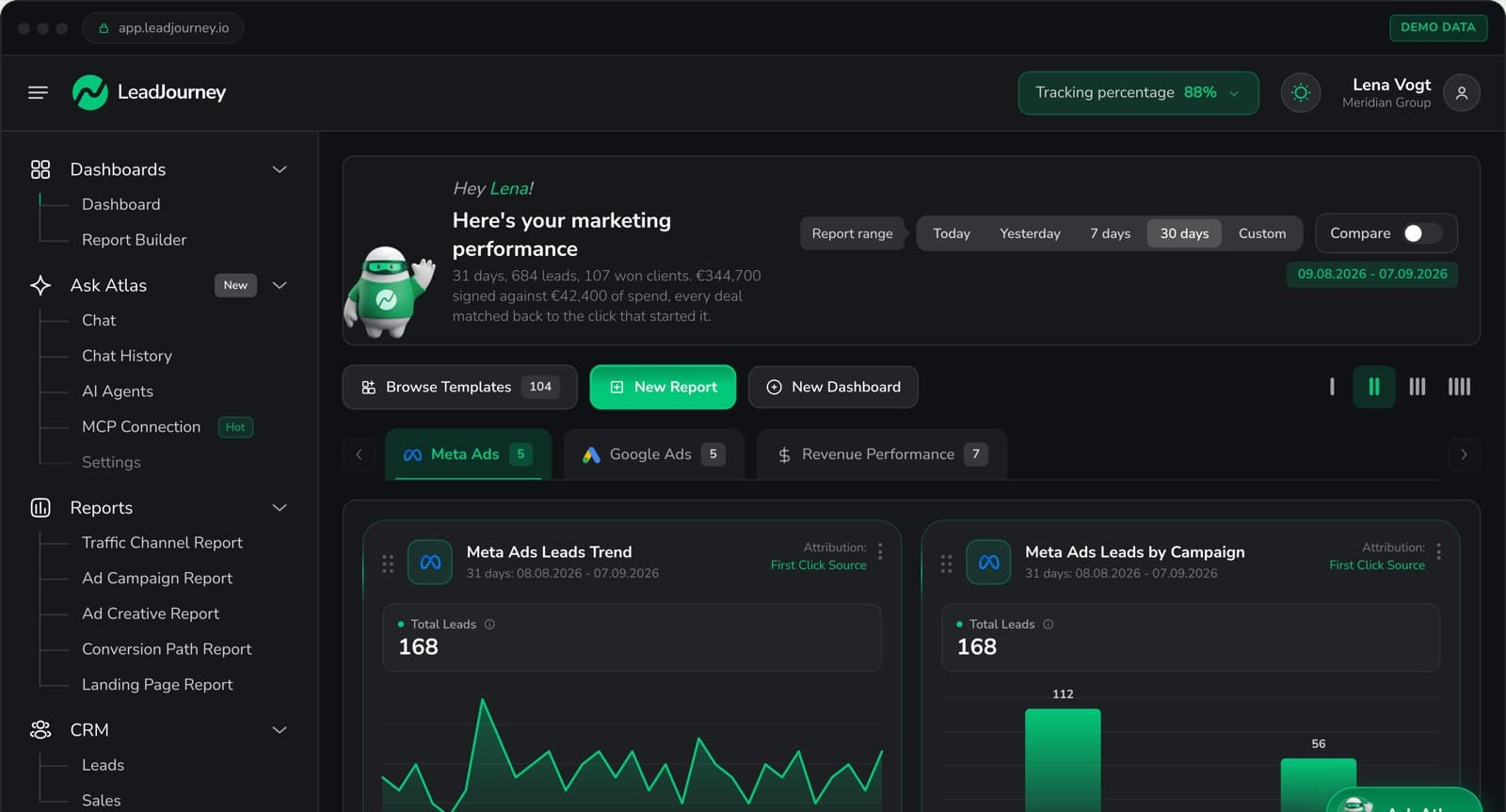
Vector tells you who visited your site. LeadJourney tells you which ad brought them, what happened next in your CRM, and whether they eventually became a paying customer. These are fundamentally different questions. For B2B teams managing paid ad budgets, the second question is the one that determines whether campaigns get scaled or cut.
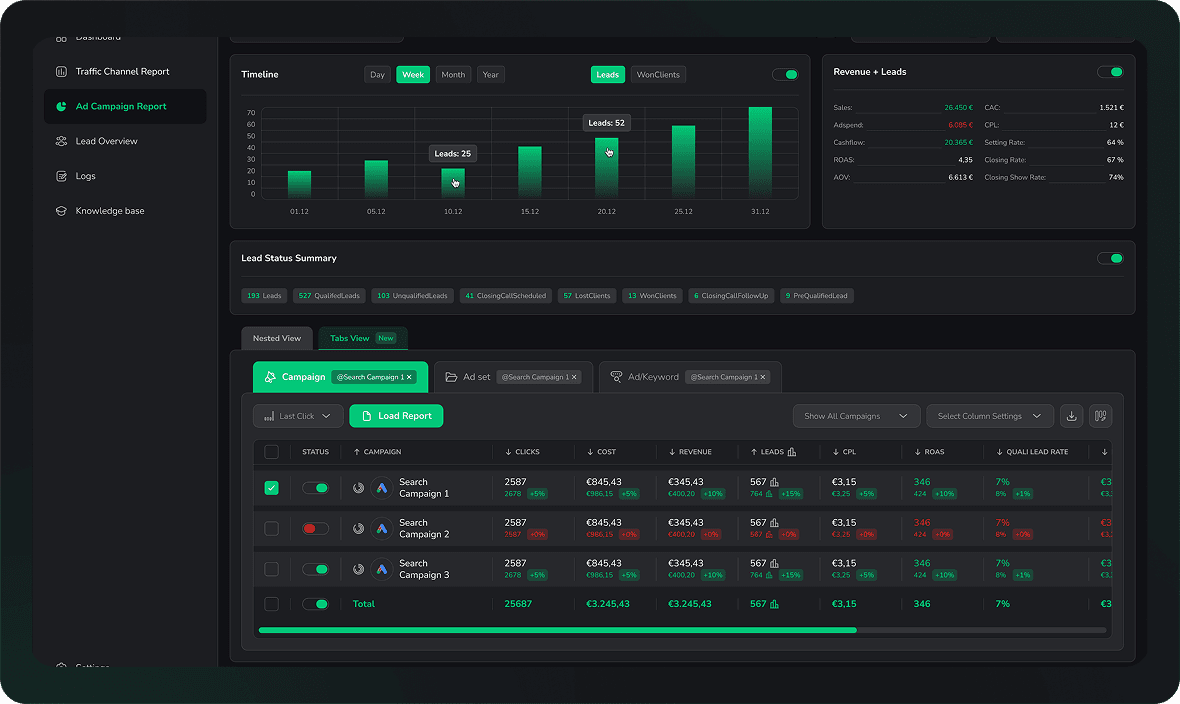
LeadJourney captures every click ID (fbclid, gclid, li_fat_id, msclkid) server-side at 95%+ accuracy at the moment of the ad click, before iOS 14+, Safari ITP, or ad blockers can interfere. Every touchpoint is matched to the CRM contact and tracked through the full pipeline: qualified lead, appointment booked, deal closed. The attribution dashboard shows cost-per-close per campaign, close rate by channel, and deal revenue per ad set. And it sends those insights back to all four ad platforms automatically via CAPI, retraining their algorithms on real buyer profiles.
LeadJourney vs. Vector.co: Key Differences
- LeadJourney shows which specific campaigns produced closed deals at the individual click level. Vector shows which companies and contacts visited your site. Both are useful, but they answer very different questions.
- LeadJourney captures click IDs from all four major ad platforms server-side at the moment of the ad click. Vector identifies who visited your site after the click but does not trace that visit back to the specific ad that drove it.
- LeadJourney connects every touchpoint to qualified leads, appointment stages, and closed deals with actual revenue values. Vector matches visitor identity to CRM contacts but does not provide deal-stage attribution.
- When a deal closes in the CRM, LeadJourney automatically sends that signal to Meta, Google, LinkedIn, and Bing at the same time. Vector has no ad platform activation.
- LeadJourney tracks ChatGPT Search and Perplexity as first-party attribution sources. Vector identifies visitors from any traffic source but does not attribute them to specific marketing channels.
- LeadJourney is live in 21 minutes with no developer required.
Verdict
LeadJourney is the best Vector.co alternative for B2B teams that need to justify ad spend in terms of revenue. Vector identifies who visited; LeadJourney proves which campaigns produced closed deals.
LeadJourney finally fixed my Marketing Analytics. It goes way beyond basic Ad Tracking Software. The Customer Journey Report saves hours of digging, and capturing everything from Offline Conversions to AI Search Tracking makes it the Best B2B Attribution Platform available.
Read verified reviews on Trustpilot, G2, Capterra, and leadjourney.io/testimonials.
2. Koala: Best for PLG and Modern Sales Teams

Koala combines website visitor identification with product usage signals to help sales teams prioritize outreach. Strong for product-led growth companies where the combination of site visits, free trial activity, and product engagement signals high-intent accounts. A more modern, PLG-friendly alternative to Vector's identity graph approach.
Verdict
Excellent for PLG and modern sales teams that want product + intent signals for outreach. Visitor identification and intent, not revenue attribution per campaign.
3. Clearbit (HubSpot): Best for B2B Data Enrichment

Clearbit (now integrated into HubSpot) enriches visitor and lead data with company and contact firmographics. Strong for teams that want to understand who is engaging with their content and enrich inbound leads with company size, industry, and job title data. Not an attribution tool but complements Vector's visitor identification approach.
Verdict
Best for B2B data enrichment and lead qualification. No campaign attribution, no CRM pipeline connection, no CAPI loop.
4. 6sense: Best for Intent-Driven Account Identification

6sense goes beyond Vector's site visitor identification with third-party intent data from across the web, predictive scoring, and multi-channel orchestration. It identifies in-market accounts before they visit your site, not just after. Enterprise pricing and implementation.
Verdict
Best enterprise intent identification and ABM orchestration. $100K+ annual contracts; primarily for enterprise revenue teams.
5. RB2B: Best for US-Based Person-Level Website Identification
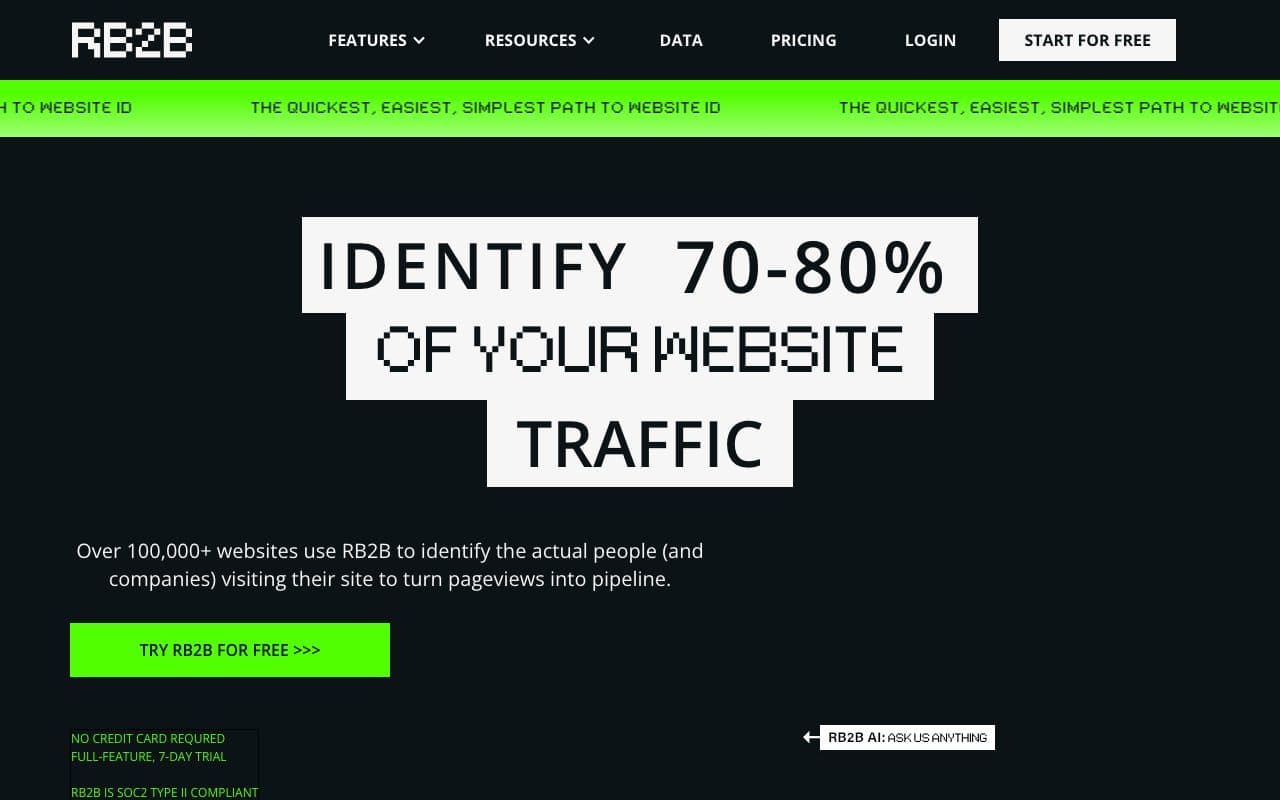
RB2B identifies individual people visiting your website, not just companies, and sends their LinkedIn profiles to Slack in real time. Simple, focused, and fast to set up. A direct Vector competitor with a simpler interface and US-focused identity resolution. Strong for outbound-focused SDR teams that want live visitor alerts.
Verdict
Best for real-time person-level visitor alerts for US-based outbound teams. Visitor identification only, no campaign attribution, no CRM revenue connection.
6. Dreamdata: Best for Full-Funnel B2B Attribution
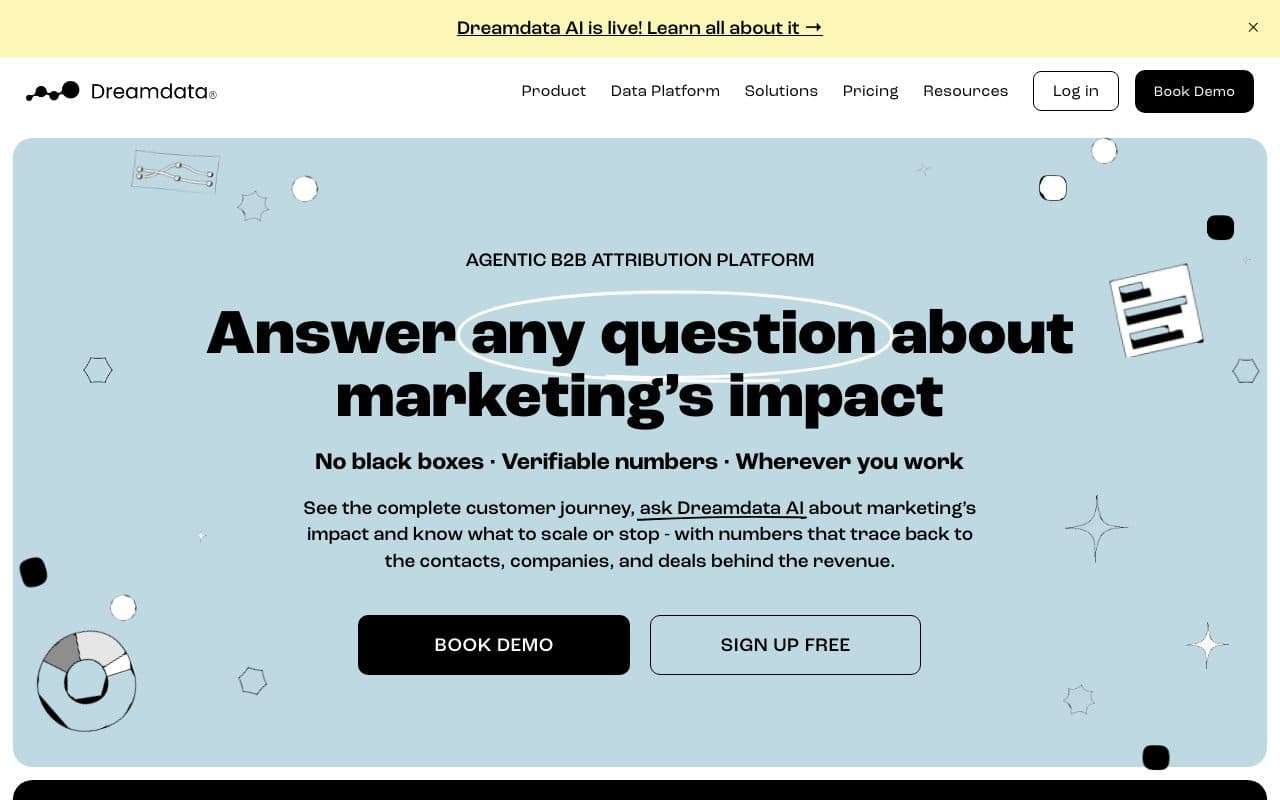
Dreamdata provides multi-touch B2B attribution connecting paid and organic touchpoints to CRM pipeline and revenue. Solves the attribution problem that Vector can't: connecting marketing interactions to closed deals. More attribution depth than Vector with multi-channel coverage.
Verdict
Strong multi-channel B2B attribution alternative. More setup than LeadJourney; no automated CAPI feedback loop to ad platforms.
7. Factors.ai: Best for Account Intelligence and Attribution
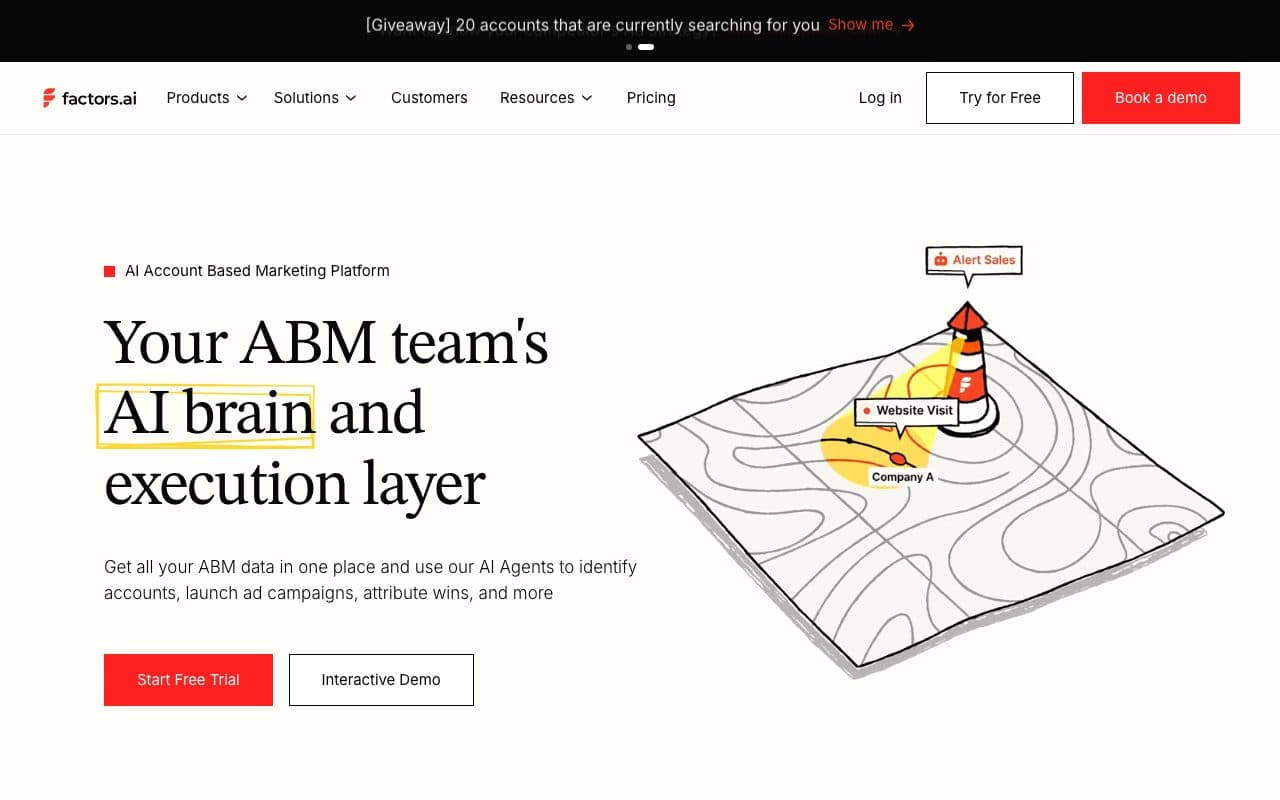
Factors.ai combines Vector-style account identification with multi-channel attribution. It identifies companies on your site and connects their marketing journey to pipeline data in CRM. A practical alternative that bridges visitor intelligence and attribution in a single platform.
Verdict
Good bridge between account intelligence and attribution. Less complete server-side tracking than LeadJourney; no multi-platform CAPI loop.
Visitor Identification vs. Revenue Attribution: What B2B Teams Actually Need
Visitor identification tools like Vector answer "who is visiting our website?" Revenue attribution tools like LeadJourney answer "which campaigns produced paying customers?" These are different questions, and for teams managing paid ad budgets, the second question is the one that determines where next quarter's budget goes.
Visitor identification is valuable for outbound sales teams: knowing which companies are actively researching your category helps prioritize outreach. But it doesn't tell you which Meta ad, LinkedIn campaign, or Google keyword brought that visitor. Without that connection, you can't optimize ad spend, you can't train algorithms on buyer profiles, and you can't answer the CFO's question at budget review.
Explore the LeadJourney marketing attribution platform or compare the best B2B attribution software, best customer journey tracking tools, ZenABM alternatives, and Metadata.io alternatives.
In the glossary
FAQ
Frequently Asked Questions
The questions teams comparing Vector.co alternatives ask most.
What is the best Vector.co alternative for B2B attribution?
LeadJourney is the best Vector.co alternative for B2B teams that need to justify ad spend in terms of revenue. Vector identifies who visited; LeadJourney proves which campaigns produced closed deals across all four major ad platforms with simultaneous CAPI.
What does Vector.co do?
Vector.co provides website visitor identification using a proprietary identity graph, identifying individual people visiting your site rather than just companies. It is strong for outbound SDR teams but is a visitor intelligence tool, not an attribution platform.
Does Vector.co support Meta and Google attribution?
Vector.co is primarily focused on visitor identification. LeadJourney covers Meta, Google, LinkedIn, and Bing with server-side click ID capture and simultaneous CAPI in one unified workflow. For B2B teams running spend across multiple platforms, a unified attribution model is essential.
How does visitor identification compare to click-level attribution?
Visitor identification tells you which contacts and companies are on your site, but not which ad click brought them or which campaign the closed deal came from. Click-level attribution tools like LeadJourney capture the click ID server-side, follow the lead through the CRM to the closed deal and report cost-per-close per platform in one view, which is what budget allocation decisions.
Can I use Vector.co and LeadJourney together?
They serve partially overlapping purposes. Vector.co provides contact-level visitor identification. LeadJourney provides click-level attribution and CAPI across all four platforms. Teams that want to know who is on the site and which campaigns produce revenue may run both.
Keep reading
More from the blog
 Alternatives
7 Best CallRail Alternatives in 2026
CallRail is the reference call tracker, and teams still leave it: the usage bill at pool scale, reporting that stops at the lead, and a second tool to reconcile with the ad platforms. Seven alternatives, with every published price read this month.Read the article11 min read Alternatives
7 Best AppsFlyer Alternatives in 2026
AppsFlyer is the biggest mobile measurement partner on the market, built around the app install. Seven alternatives, ranked: one for businesses whose conversions are forms, calls, deals and shop orders on the web, and six for the app itself, compared on tracking, pricing and who each is built for.Read the article10 min read Alternatives
7 Best Fibbler Alternatives in 2026
Fibbler tracks company-level LinkedIn engagement, and that is where it stops. These seven alternatives cover click-level revenue attribution across every channel.Read the article9 min read
Beyond visitor ID
Ready to go beyond visitor identification?
Server-side ad tracking at 95%+ accuracy. CRM pipeline attribution from first click to closed deal. CAPI loop to Meta, Google, LinkedIn & Bing. 21-minute setup.