













BlogTool Comparisons
15 Best Webinar Tracking Software Tools in 2026
A prospect registers for the webinar, attends, and closes three weeks later after a sales call, and the webinar platform only ever reports the attendance count. Fifteen webinar tracking tools ranked, from CRM attribution platforms to hosting tools, engagement analytics and data connectors.


Contents
Summarise this article with AI
Opens the page with a ready prompt in:


Nothing is sent until you pick a service.
Webinars are one of the highest-converting lead generation formats in B2B, but they're also one of the hardest to track. A prospect registers, watches, chats with the team, and closes three weeks later after a sales call. Standard analytics see none of this. The webinar platform reports attendance counts. Your CRM has the deal. Nothing connects them.
Webinar tracking software solves this by connecting registration, attendance, and engagement to downstream CRM outcomes. For lead generation businesses running webinars as a primary acquisition channel, the right tracking stack tells you which webinar topics produce the most closed revenue and which ad campaigns are driving the highest-quality registrations.
This guide ranks the 15 best webinar tracking software tools in 2026.
Quick Summary: Best Webinar Tracking Software in 2026
In short
LeadJourney is the best webinar tracking software in 2026 for businesses running paid ads to webinar registrations, because it attributes each registration back to the ad that produced it and then follows the registrant through the CRM to the closed deal. Webinar platforms report attendance and engagement well and have no idea what a registration cost or what it was eventually worth. Registration and attendance become conversions the ad platforms can optimise on. 21-minute setup, 14-day free trial.
Zoom Webinars, Demio, GoTo Webinar, Livestorm, ON24, WebinarJam and WebinarGeek are the hosting platforms, and their analytics answer questions about the event: who registered, who showed up, how long they stayed, which polls they answered. That is the right data for improving the webinar itself.
HubSpot, Salesforce and Ruler Analytics connect registrations to the CRM with varying depth, Zapier moves registrations between systems, and GA4, Supermetrics and Whatagraph report. The gap most teams have is between the two halves: attendance data on one side, ad spend on the other, and nothing joining them.
The 15 Best Webinar Tracking Software Tools (2026)
The 15 best webinar tracking software tools at a glance
| Tool | Key features | Best for | Pricing |
|---|---|---|---|
| Rank 1LeadJourney | Ad source attribution per registration; CRM pipeline tracking; automated CAPI signals | Lead gen businesses running paid ads to drive webinar registrations | 14-day free trial |
| Rank 2Zoom Webinars | Attendance, polls, Q&A, engagement data, native CRM integrations | Webinar hosting with built-in registration and engagement tracking | Starts at $79/mo |
| Rank 3Demio | In-webinar CTA tracking, offer acceptance rates, Room Analytics | Marketing-focused webinar conversion analytics | From $45/mo |
| Rank 4GoTo Webinar | Enterprise features, engagement scoring, CRM sync | Enterprise webinar platform with CRM reporting | Starts at $49/mo |
| Rank 5Livestorm | UTM parameter capture, automated sequences, full registration analytics | Automated webinar funnels with built-in analytics | Free & Starts at $99/mo |
| Rank 6ON24 | Proprietary Engagement Score, Salesforce & Marketo integration | Enterprise webinar intelligence platform | Custom enterprise pricing |
| Rank 7WebinarJam | In-webinar offer tracking, revenue per webinar, high-volume capacity | High-volume live webinars with offer tracking | From $49/mo |
| Rank 8WebinarGeek | EU data storage, engagement scoring, CRM integrations | European businesses needing GDPR-compliant webinar tracking | From €49/mo |
| Rank 9HubSpot | CRM-native, no additional cost for HubSpot customers | HubSpot-native webinar registration attribution | Included in HubSpot |
| Rank 10Salesforce Marketing Cloud | Native Salesforce integration, opportunity-level pipeline tracking | Enterprise Salesforce customers tracking webinar pipeline influence | Custom enterprise pricing |
| Rank 11Ruler Analyticsvs LeadJourney | Multi-touch attribution including webinar touchpoints, revenue matching | Connecting webinar registration sources to closed revenue | From £299/mo |
| Rank 12Zapier | Low cost, wide platform support, webinar-to-CRM data sync | Low-cost webinar-to-CRM data sync automation | Starts at $20/mo |
| Rank 13Google Analytics 4vs LeadJourney | Free, traffic source analysis, registration page behavior | Free analytics for webinar landing page performance | Free |
| Rank 14Supermetricsvs LeadJourney | Unified webinar + ad platform data extraction | Pulling webinar and ad data into BI tools | From €49/mo |
| Rank 15Whatagraphvs LeadJourney | Automated white-label webinar + paid ad reports | Agencies producing white-label webinar performance reports | From €699/mo |




1. LeadJourney: Best Webinar Tracking Software for Lead Generation Businesses
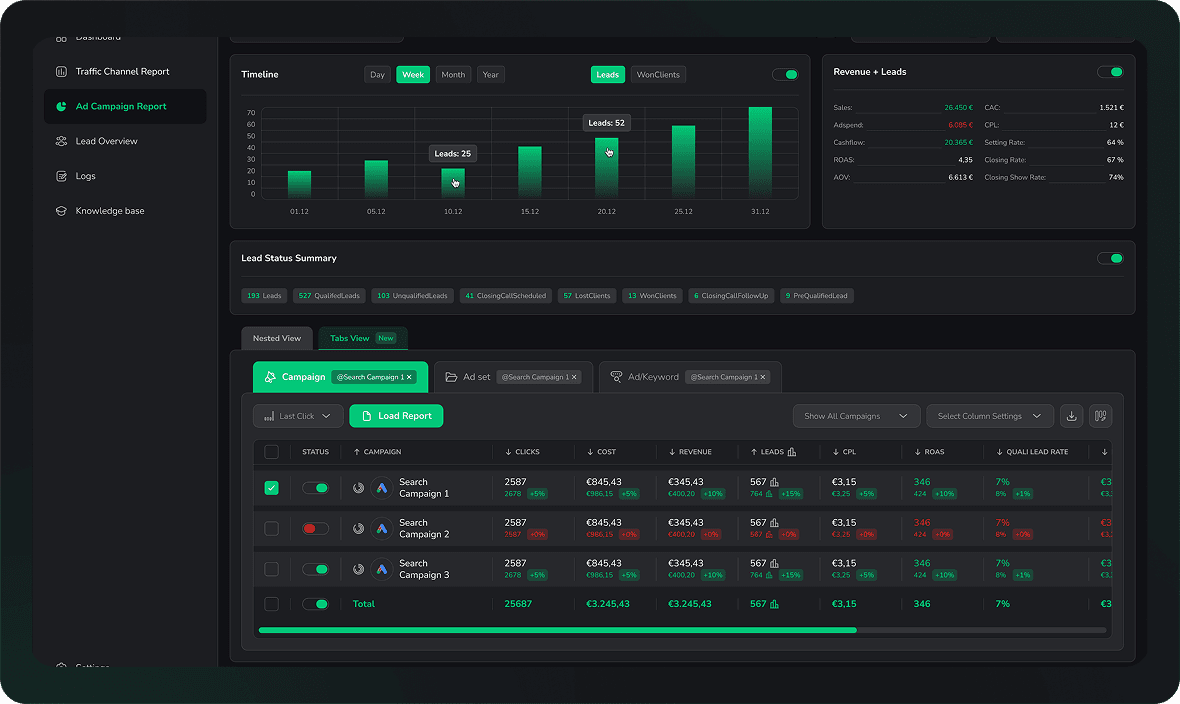
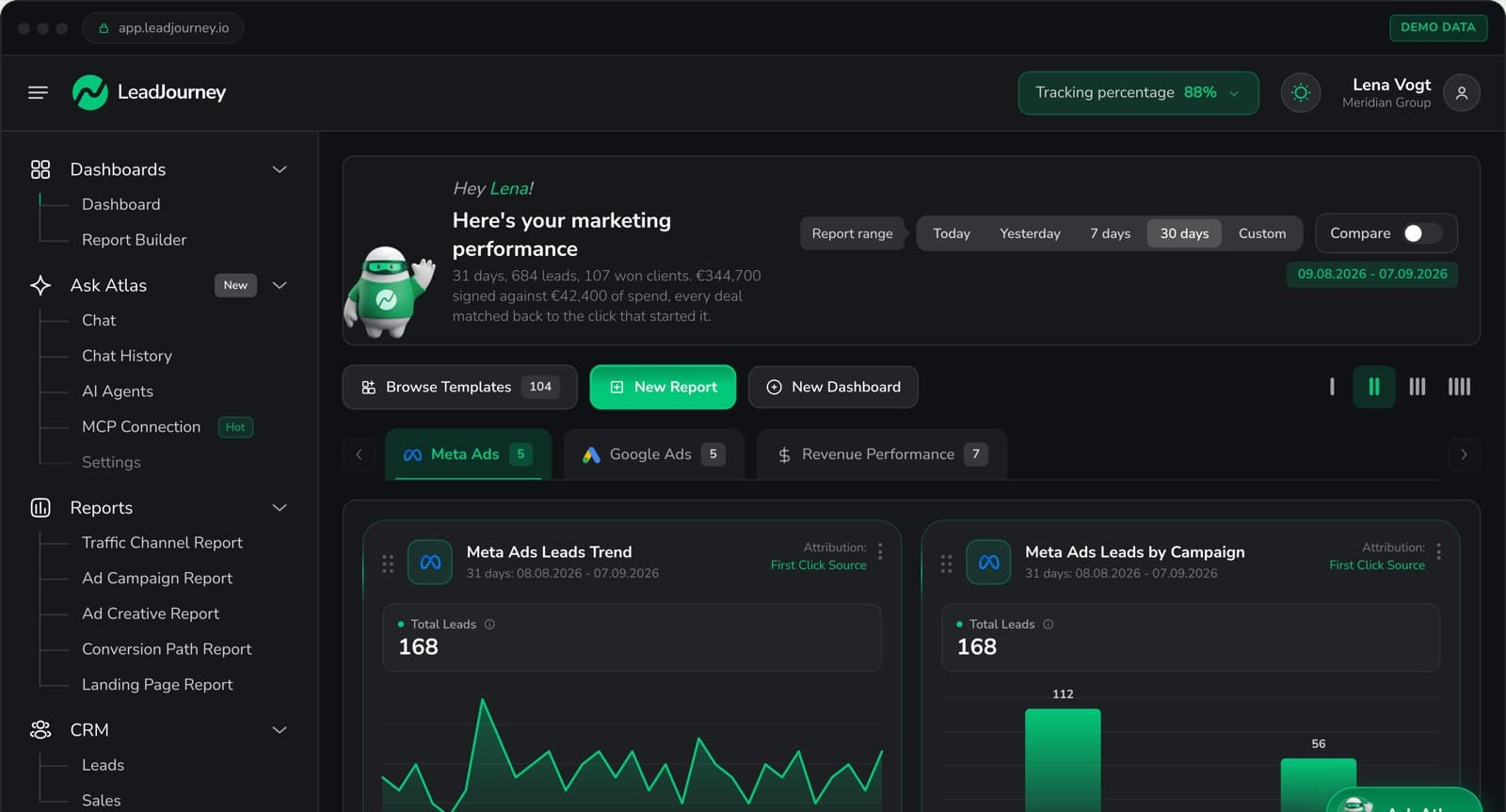
LeadJourney connects every webinar registration back to the paid ad that drove it, tracking the fbclid, gclid, li_fat_id, or msclkid from the ad click through the registration page, into the CRM, and through to qualified lead, booked appointment, and closed deal. It answers the question every webinar advertiser has but can never answer: which Meta, Google, LinkedIn, or Bing campaign drove the registrations that actually became customers?
When a webinar registrant becomes a qualified lead or closes a deal in your CRM, LeadJourney automatically fires that conversion event back to all four ad platforms simultaneously, so their algorithms retrain on the characteristics of registrants who actually buy, not just registrants who showed up.
Key Features
- Ad source attribution for webinar registrations: tracks which paid campaign drove each registration server-side, with click ID persistence through the funnel
- CRM pipeline tracking for webinar leads: every webinar registration followed through qualified, booked, and closed stages in your CRM
- Automated CAPI signals: webinar-sourced deal closures automatically sent to Meta, Google, LinkedIn, and Bing to retrain ad algorithms
- Cost-per-closed-deal by webinar campaign: which ad campaigns are driving webinar registrations that actually become customers
- Atlas AI analyst: ask which webinar ad campaigns have the best registration-to-close rate
- 21-minute setup, no developer: works with any webinar registration page and CRM
Pros
- Connects webinar registrations to CRM closed deals and ad platform attribution in one setup
- Automatically improves ad algorithms based on which registrants become buyers
Cons
- Not a webinar hosting platform: tracks attribution and CRM outcomes, doesn't host or stream webinars
- No in-webinar engagement metrics: attendance duration, polls, and chat tracked at the webinar platform level
Verdict
For lead generation businesses running paid ads to drive webinar registrations, LeadJourney provides what no webinar platform offers: complete attribution from ad click through CRM to closed deal. See how the webinar tracking software joins the registration, the attendance and the closed deal.
What Real Users Say About LeadJourney
LeadJourney is rated 5.0 on Trustpilot by agencies and B2B marketers. Here is what verified users say:
LeadJourney finally fixed my Marketing Analytics. It goes way beyond basic Ad Tracking Software. The Customer Journey Report saves hours of digging, and capturing everything from Offline Conversions to AI Search Tracking makes it the Best B2B Attribution Platform available.
We've been using LeadJourney for a while now, and it's honestly become an essential part of how we measure our marketing. Before, it was almost impossible to know which campaigns were actually driving revenue. Now we can see the full customer journey report from the first click all the way to closed deals.
Read More LeadJourney Reviews
Verified reviews on Trustpilot, G2, Capterra, Software Advice, and leadjourney.io/testimonials.
2. Zoom Webinars: Best Platform with Built-In Registration and Engagement Tracking
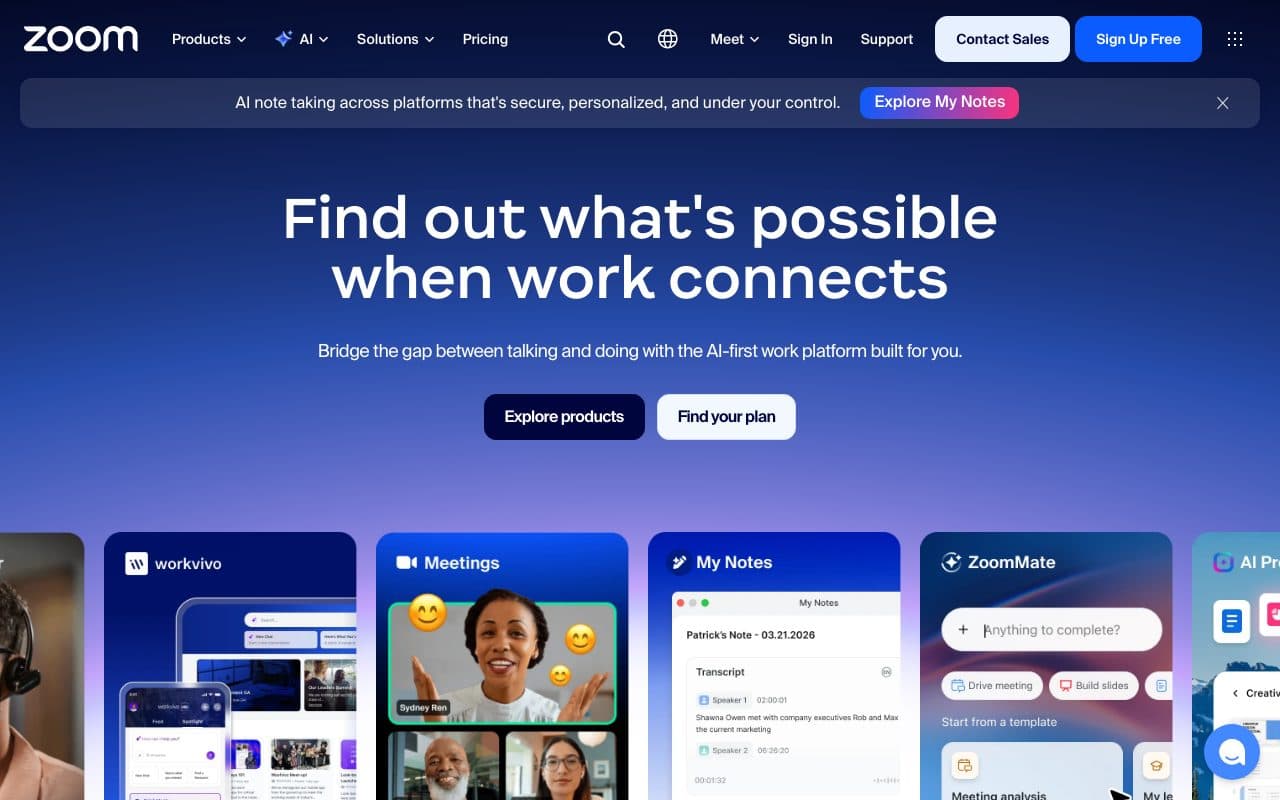
Zoom Webinars provides built-in tracking for registration, attendance, poll responses, Q&A participation, and post-webinar surveys. Its reporting dashboard shows attendance rates, engagement metrics, and drop-off times by attendee. Integration with HubSpot, Salesforce, and other CRMs lets you sync registration data directly to contact records.
Pros
- Comprehensive in-webinar engagement data: attendance, polls, Q&A, chat, and drop-off timing
- Native CRM integrations: syncs registration and attendance to HubSpot, Salesforce, and other CRMs
Cons
- No paid ad attribution: doesn't track which Meta, Google, or LinkedIn campaign drove each registration
- No CRM pipeline attribution: syncs contacts but doesn't connect registrations to deal stage progression
Verdict
The most widely used webinar platform with solid built-in tracking. Pairs perfectly with LeadJourney for the paid attribution and CRM pipeline layer it doesn't provide.
3. Demio: Best for Marketing-Focused Webinar Conversion Analytics
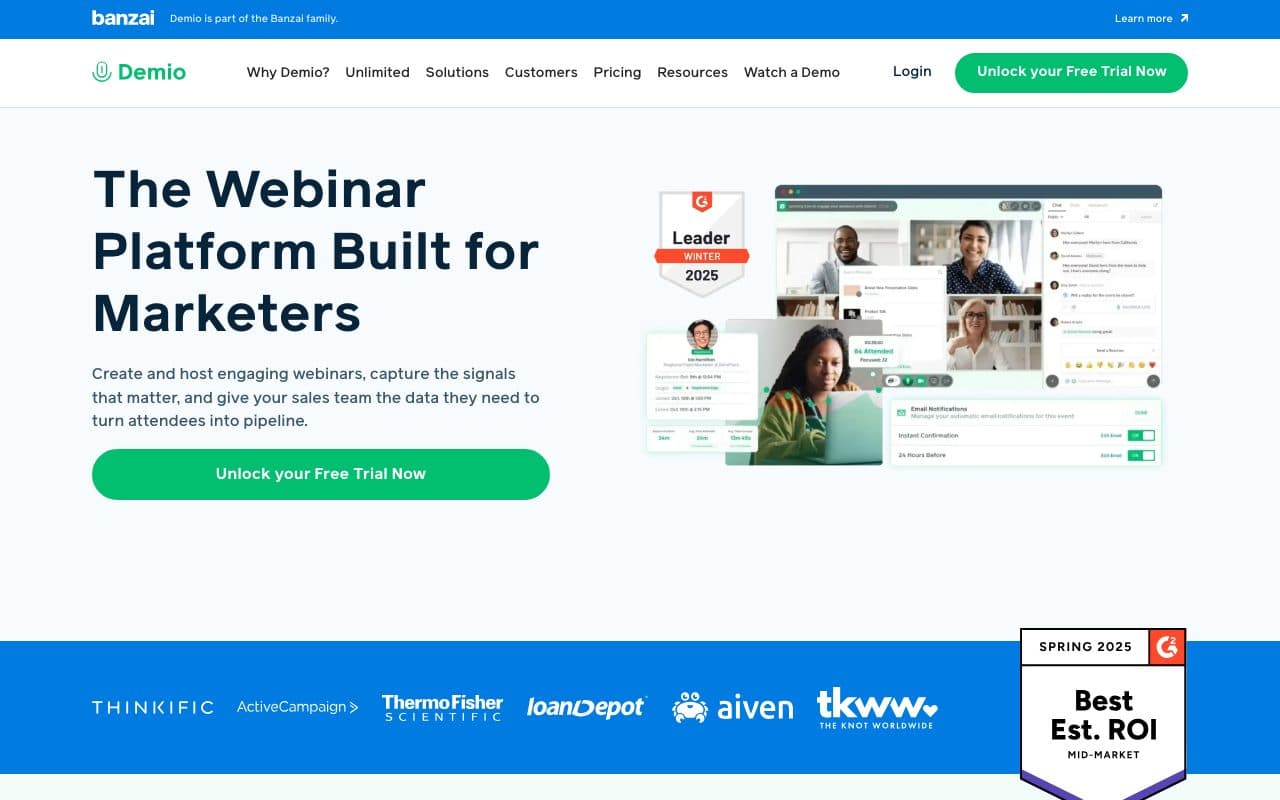
Demio is built specifically for marketing teams running automated and live webinars, with conversion-focused tracking that goes beyond simple attendance counts. It tracks CTA button clicks during webinars, offer acceptance rates, and post-webinar email conversion sequences, all connected to registration source data. Its Room Analytics provide engagement scoring by attendee.
Pros
- In-webinar CTA and offer tracking: tracks which attendees clicked offers during the webinar
- Marketing-focused analytics: conversion funnel from registration through to offer acceptance
Cons
- Limited paid ad attribution: doesn't track which Meta or Google campaign drove each registration with click ID persistence
- No CRM deal-stage tracking: registration-level data, not pipeline progression
Verdict
Excellent marketing-focused webinar analytics. Works best when paired with LeadJourney for paid ad attribution and CRM closed-deal tracking.
4. GoTo Webinar: Best Enterprise Webinar Platform with CRM Reporting
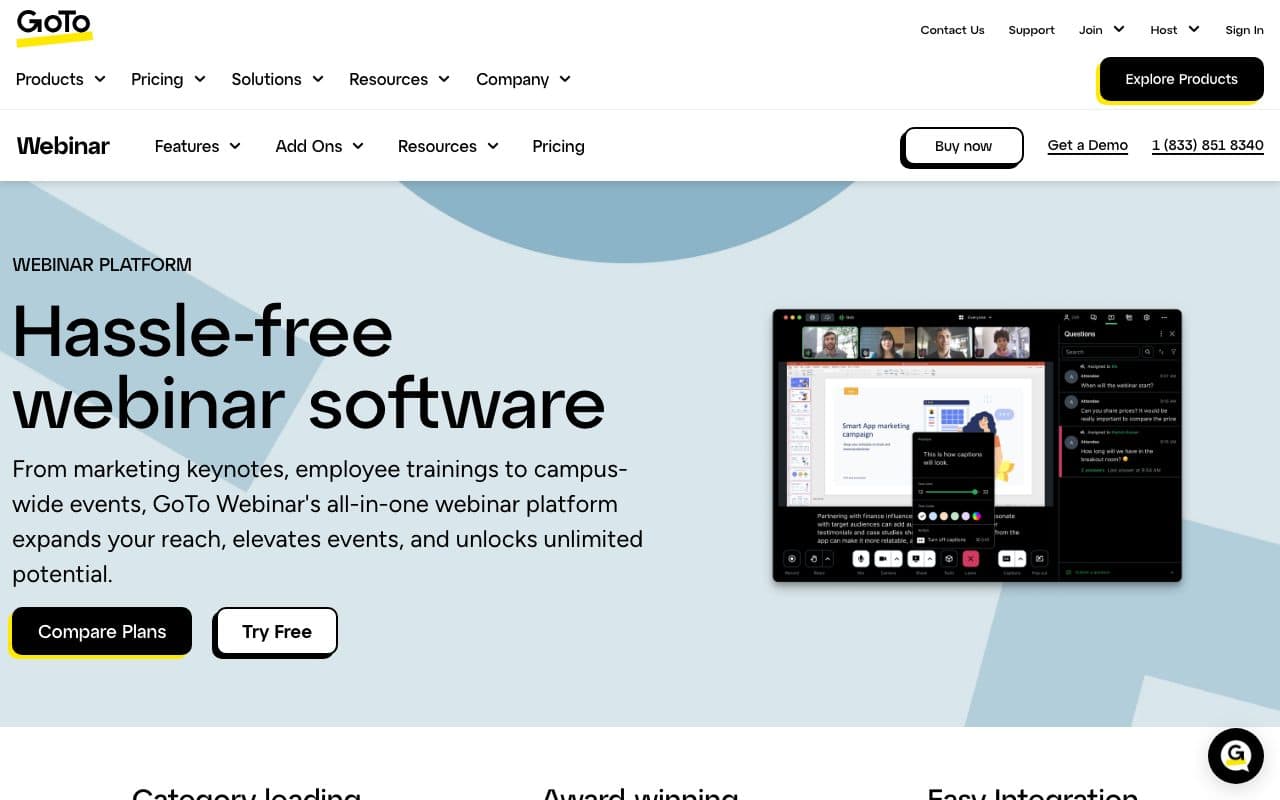
GoTo Webinar provides enterprise-grade webinar hosting with detailed attendance analytics, engagement scores, and CRM integrations for Salesforce and HubSpot. Its reporting includes attendee source data, engagement ratings, and post-webinar survey results that can be synced to CRM records for lead scoring.
Pros
- Enterprise features: large-scale webinars with detailed analytics and CRM sync
- Engagement scoring: rates attendee engagement for CRM-based lead scoring
Cons
- No paid ad attribution: doesn't connect registrations to Meta, Google, or LinkedIn ad source
- Older interface than newer SaaS webinar tools
Verdict
Solid enterprise webinar platform. Doesn't solve paid ad attribution or CRM deal-stage tracking for lead gen businesses.
5. Livestorm: Best for Automated Webinar Funnels with Built-In Analytics
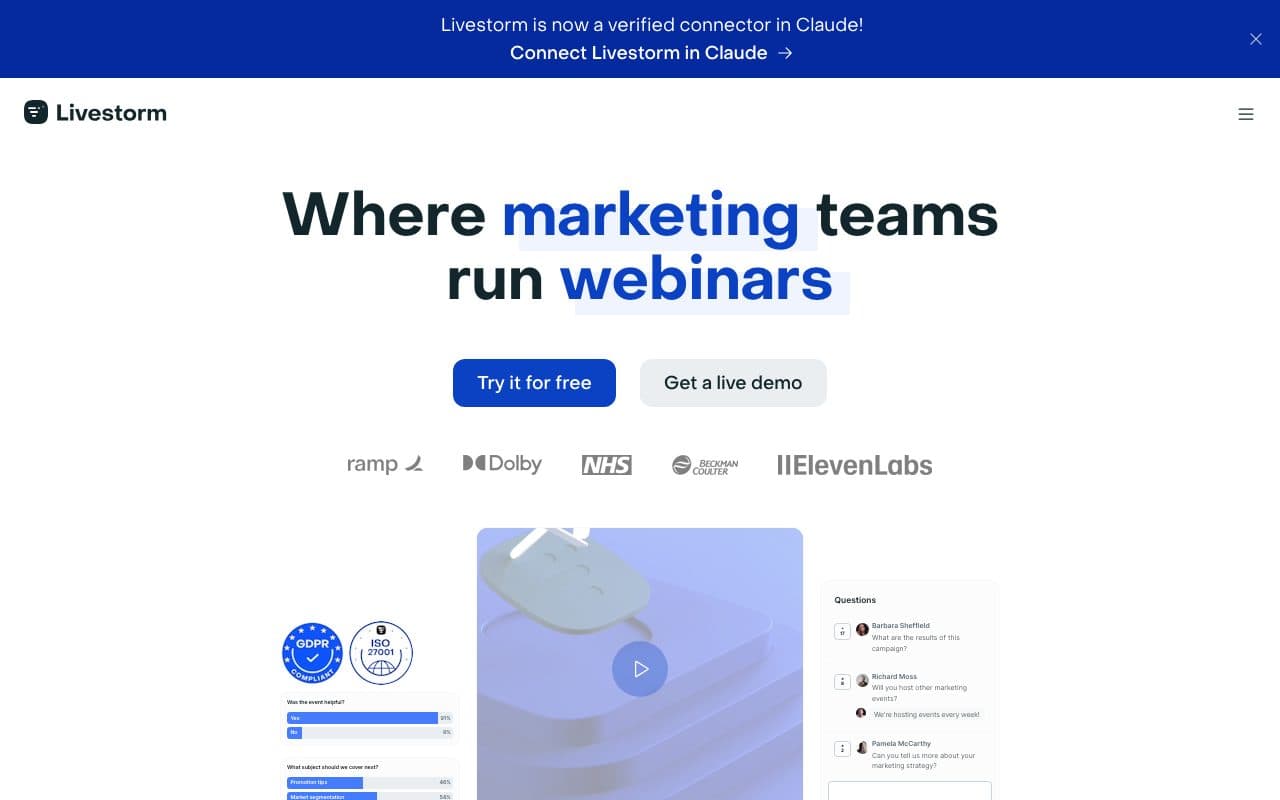
Livestorm is a browser-based webinar platform built for marketing automation: automated sequences, on-demand webinars, and multi-session campaigns with built-in analytics tracking registration source, attendance, engagement, and post-webinar email performance. Its dashboard shows the complete registration-to-engagement funnel.
Pros
- Built-in registration source tracking: UTM parameter capture on registration pages
- Automated webinar sequences: registration, reminder, and follow-up analytics in one platform
Cons
- UTM-only attribution: no server-side click ID persistence through the webinar funnel to CRM
- No CRM pipeline deal-stage tracking
Verdict
A strong modern webinar platform for automated funnels. Pairs with LeadJourney for full ad attribution and CRM deal tracking.
6. ON24: Best Enterprise Webinar Intelligence Platform
ON24 is an enterprise webinar intelligence platform used by large B2B organizations for virtual events, webinars, and content experiences. Its Engagement Score proprietary metric aggregates multiple engagement signals (attention, interaction, content consumption) into a single attendee rating that can be fed into Salesforce and Marketo for lead scoring and routing.
Pros
- Proprietary Engagement Score: multi-signal attendee engagement rating for lead scoring
- Deep Salesforce and Marketo integration: enterprise-grade lead routing from webinar data
Cons
- Enterprise pricing: not accessible for most SMB lead gen businesses
- No paid ad attribution for webinar registrations
Verdict
Enterprise-grade webinar intelligence for large B2B organizations. Too expensive and complex for most SMB lead gen businesses.
7. WebinarJam: Best for High-Volume Live Webinars with Offer Tracking
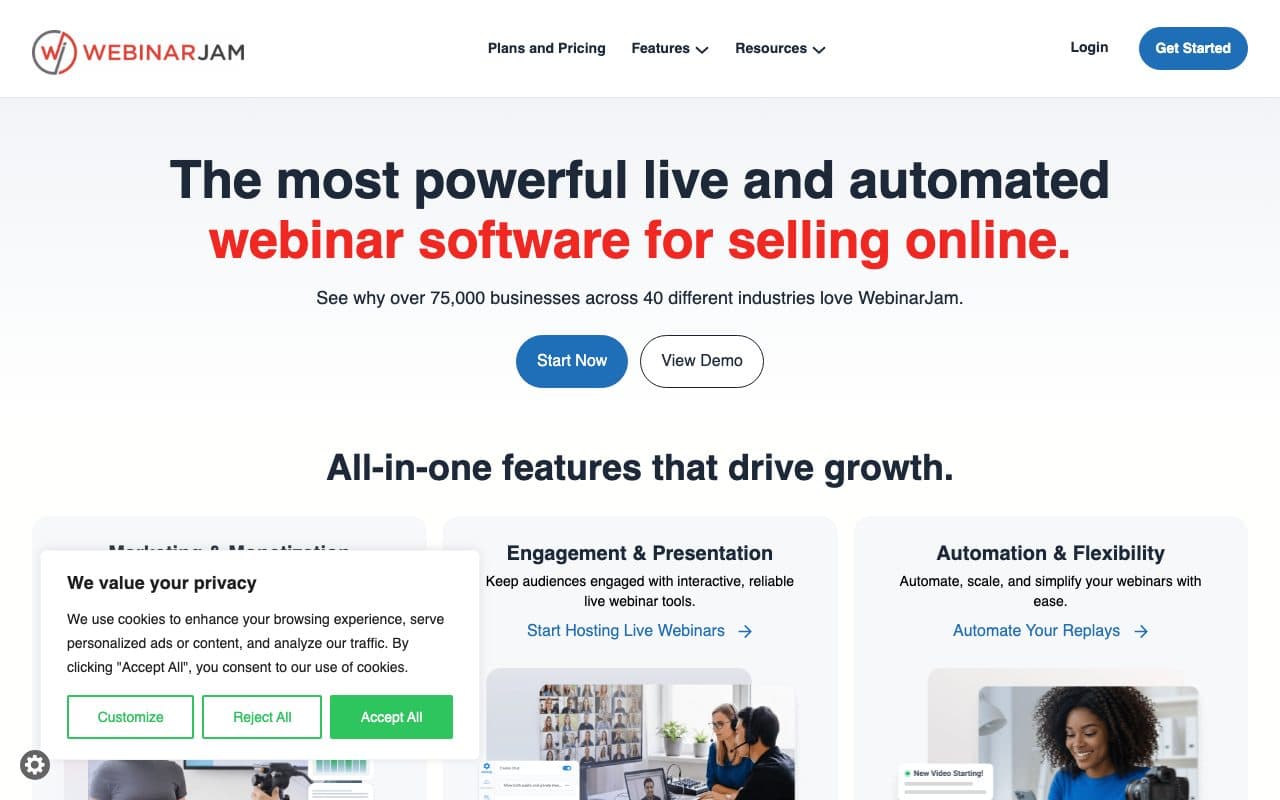
WebinarJam is built for high-volume live webinars with built-in offer tracking, showing how many attendees clicked buy buttons, accepted offers, and purchased during or after the webinar. Its analytics focus on conversion events within the webinar session: offer click-through rates, revenue per webinar, and attendee purchase behavior.
Pros
- In-webinar offer and purchase tracking: revenue per webinar from direct webinar sales
- High-volume capacity: supports thousands of attendees per session
Cons
- Best suited for direct-sale webinars: less focused on lead gen CRM pipeline tracking
- No paid ad attribution at registration level
Verdict
Best for info-product businesses running direct-sale webinars. Less suited for lead gen businesses tracking from registration to CRM close.
8. WebinarGeek: Best European GDPR-Compliant Webinar Platform with Tracking
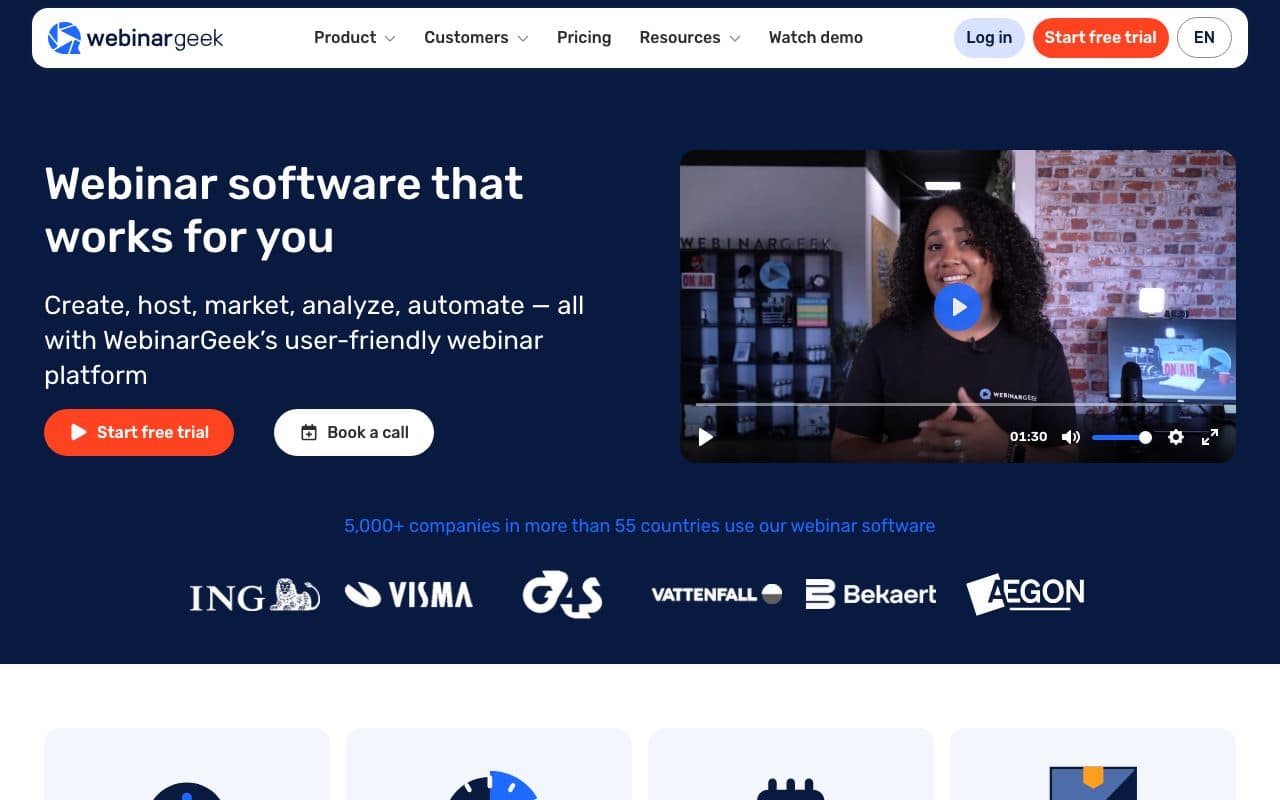
WebinarGeek is a European webinar platform with GDPR-compliant tracking, built-in registration analytics, engagement scoring, and CRM integrations. Its analytics include attendee source tracking, engagement ratings, and replay viewing data, all stored on EU-based infrastructure.
Pros
- GDPR-compliant EU data storage: required for European businesses with strict compliance requirements
- Built-in engagement scoring and CRM integrations
Cons
- No paid ad attribution: no click ID tracking at registration level
- Smaller ecosystem than Zoom or GoTo Webinar
Verdict
The best choice for European businesses needing GDPR-compliant webinar tracking. Pairs with LeadJourney for paid ad attribution.
9. HubSpot: Best for HubSpot-Native Webinar Registration Attribution
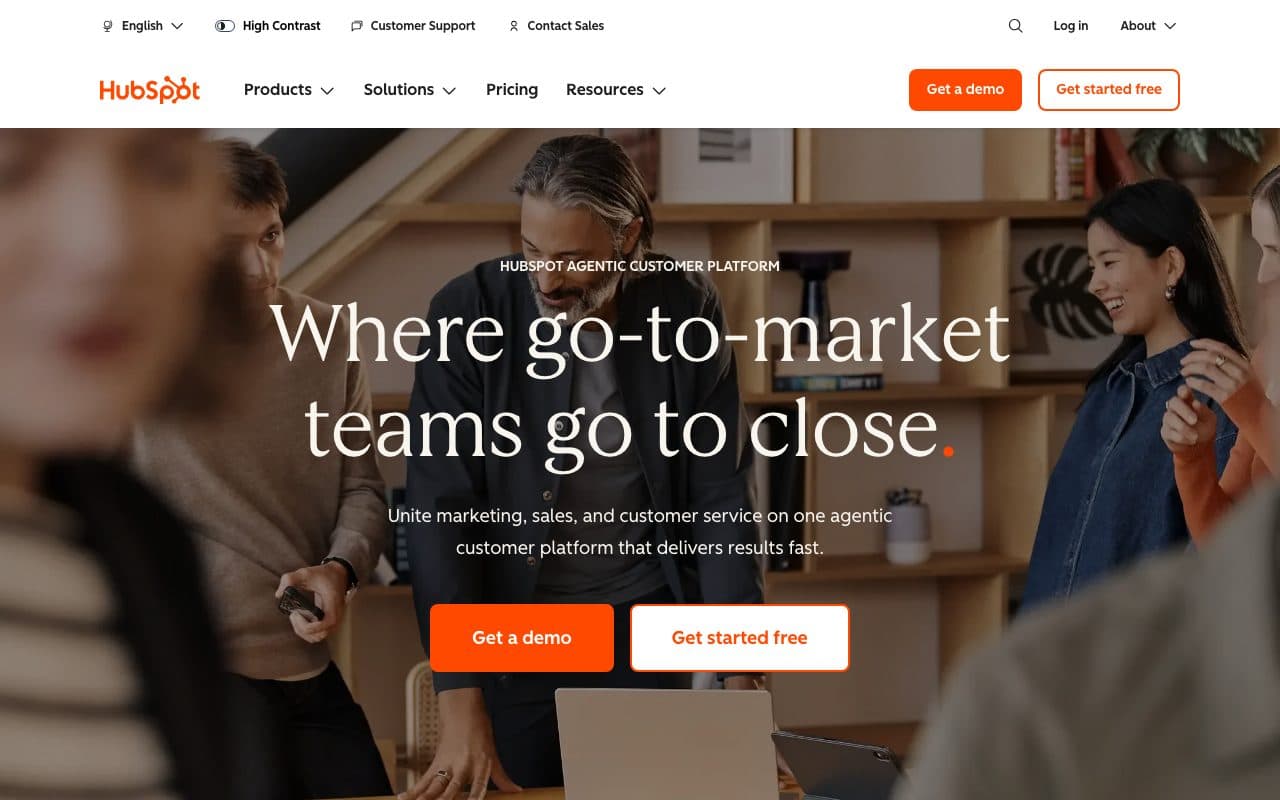
HubSpot integrates with Zoom, GoTo Webinar, and other platforms to sync registration and attendance data directly to contacts and deals. For HubSpot customers, webinar registrations automatically create or update contact records, enabling basic attribution reporting within the HubSpot ecosystem.
Pros
- CRM-native webinar integration: registrations and attendance synced to HubSpot contacts automatically
- Included in HubSpot Professional: no additional cost for existing customers
Cons
- Pixel-based attribution: limited accuracy for ad source tracking and iOS data loss
- No automated CAPI loop: doesn't send webinar-sourced deal closures back to ad platforms
Verdict
A practical starting point for HubSpot customers running webinars. LeadJourney adds the server-side accuracy and automated CAPI loop that HubSpot doesn't provide.
10. Salesforce Marketing Cloud: Best for Enterprise Webinar Pipeline Tracking
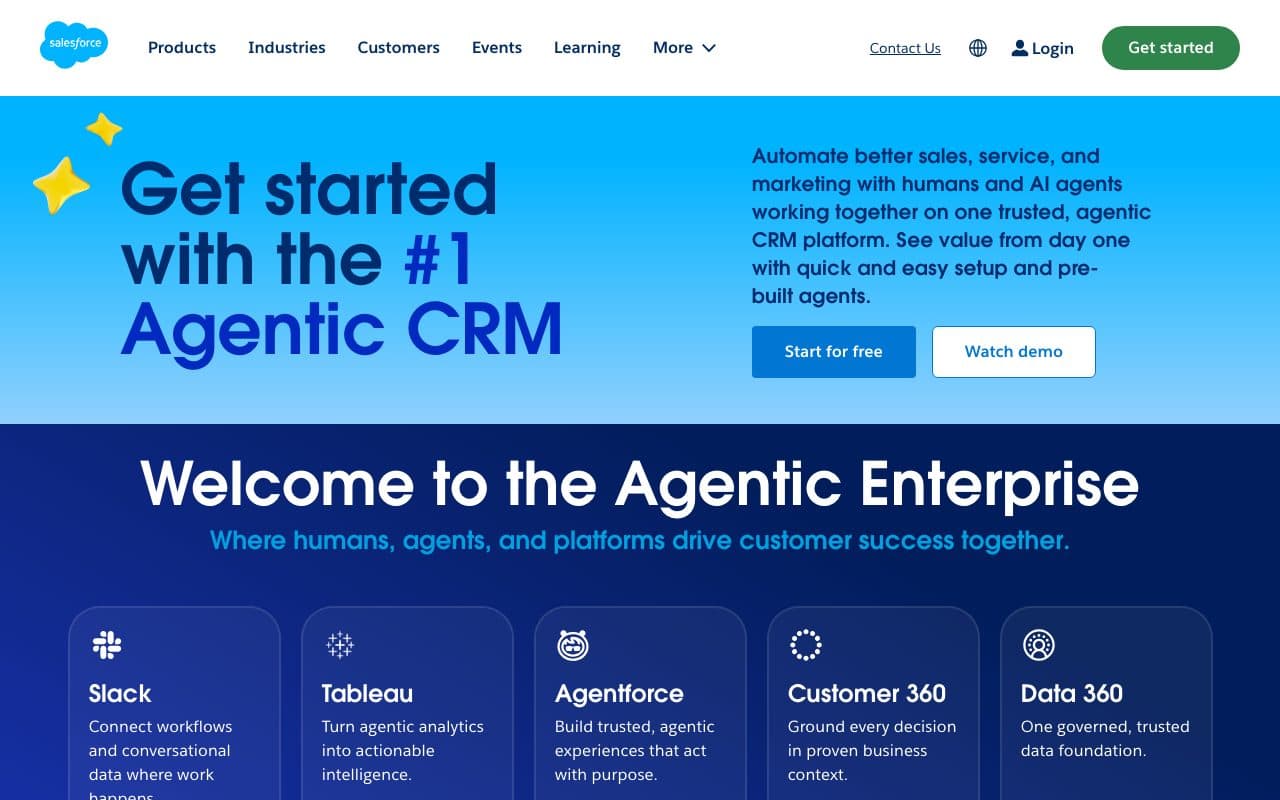
Salesforce Marketing Cloud connects webinar attendance data from ON24, GoTo Webinar, and Zoom to Salesforce opportunity records, enabling enterprise organizations to track webinar influence on pipeline and revenue within Salesforce. It provides the deepest CRM pipeline integration for Salesforce-native enterprise organizations.
Pros
- Deep Salesforce integration: webinar data connected to opportunity records and pipeline reporting
- Enterprise-grade webinar influence attribution for Salesforce organizations
Cons
- Requires Salesforce: not applicable for businesses on HubSpot, Pipedrive, or Close CRM
- Enterprise pricing and complexity
Verdict
The deepest webinar pipeline tracking for Salesforce enterprises. Not accessible for most SMB lead gen businesses.
11. Ruler Analytics: Best for Connecting Webinar Sources to Closed Revenue
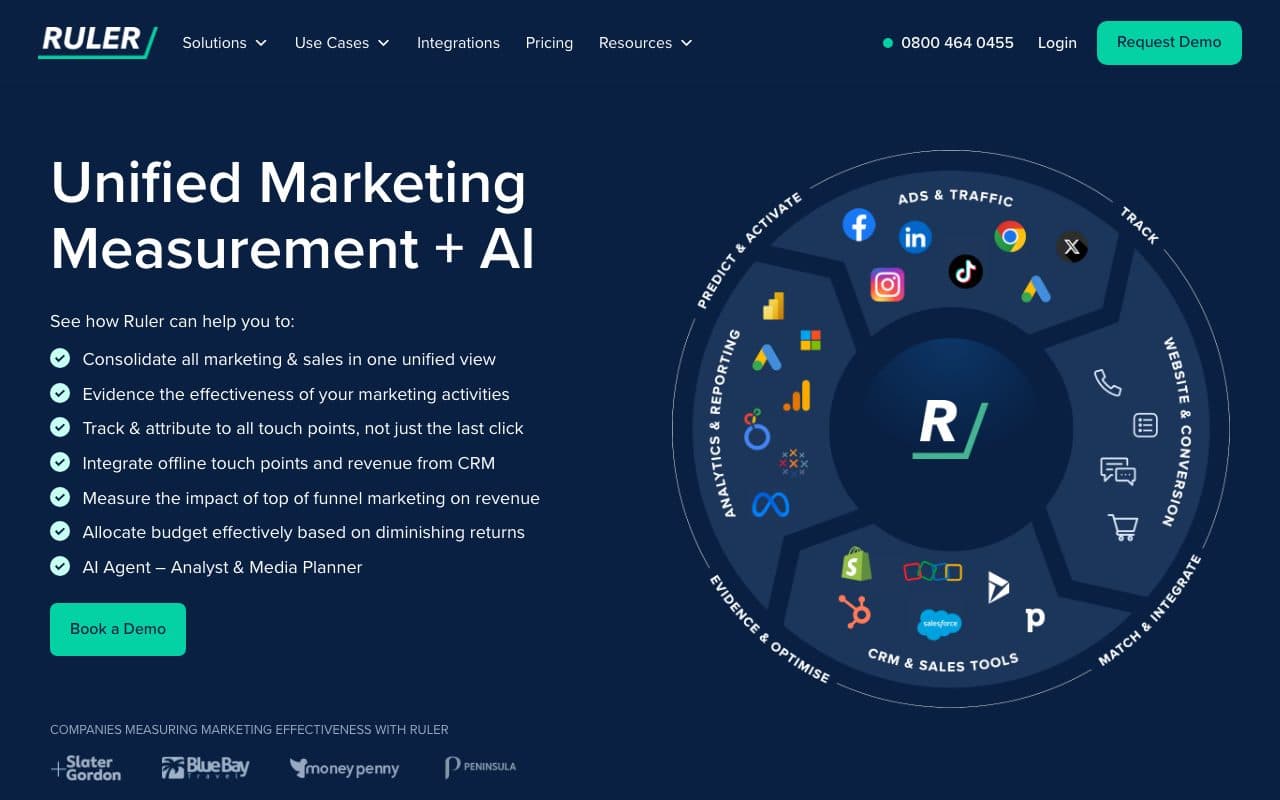
Ruler Analytics tracks the journey from first marketing touchpoint (including webinar registration) through to closed CRM revenue. When a webinar registrant later becomes a customer, Ruler matches the closed revenue back to the original marketing source, showing whether the webinar channel or the paid ads driving registrations are influencing revenue.
Pros
- Connects webinar registration source to closed CRM revenue
- Multi-touch attribution including webinar touchpoints
Cons
- No automated CAPI loop: reports attribution but doesn't send deal signals back to ad platforms
- Limited server-side click ID persistence for webinar funnels
Verdict
A solid attribution tool for connecting webinar channels to revenue. Doesn't automate the ad platform feedback loop.
12. Zapier: Best Low-Cost Webinar-to-CRM Data Sync
Zapier connects webinar platforms (Zoom, Demio, GoTo Webinar) to CRMs, automatically creating or updating CRM contacts when someone registers, attends, or misses a webinar. For teams that want basic webinar-to-CRM synchronization at low cost, Zapier provides the plumbing.
Pros
- Low cost: from $20/month for basic webinar-to-CRM automation
- Wide platform support: connects most webinar platforms to most CRMs
Cons
- Data sync only: no attribution, no ad source tracking, no CRM pipeline analytics
- Can fail silently: missed data syncs without alerts
Verdict
A practical low-cost option for basic webinar-to-CRM data sync. Not a tracking or attribution solution.
13. Google Analytics 4: Best Free Analytics for Webinar Landing Pages

GA4 tracks visitor behavior on webinar registration landing pages: traffic sources, time on page, scroll depth, and registration form completion rates. Combined with GA4's conversion goals, it provides free visibility into registration page performance by traffic source.
Pros
- Free: no cost for webinar landing page analytics
- Traffic source analysis: see which channels drive webinar registration page visits
Cons
- Stops at the registration page: no webinar attendance, engagement, or CRM deal tracking
- Pixel-based attribution: data loss from iOS restrictions
Verdict
Free and useful for webinar landing page optimization. Doesn't track anything beyond the registration conversion.
14. Supermetrics: Best for Pulling Webinar and Ad Data into BI Tools
Supermetrics can pull webinar platform data (from Zoom, GoTo Webinar, etc.) alongside paid ad data into Sheets, Looker Studio, or BigQuery, enabling teams to build custom dashboards that show registration volume, cost-per-registration, and attendance by ad campaign. It's a data connector, not a tracking tool.
Pros
- Unified data extraction: webinar and ad platform data in one Sheets or BI destination
- Custom reporting: build registration and cost-per-registration dashboards by traffic source
Cons
- Data connector only: aggregates existing data, no independent tracking or CRM revenue attribution
- Priced by plan and connectors: from €39/month on annual billing, more on monthly billing
Verdict
Useful for analytics teams building custom webinar reporting dashboards. Not a tracking or attribution solution.
15. Whatagraph: Best for Agencies Producing White-Label Webinar Performance Reports
Whatagraph can incorporate webinar registration data alongside paid channel performance in polished white-label client reports. For agencies managing webinar campaigns for clients, it automates the monthly performance report assembly.
Pros
- Automated white-label webinar reports: registration data alongside paid ad performance
- 55+ channel connections
Cons
- Reporting only: no independent tracking or CRM revenue attribution
Verdict
Good for agencies producing client webinar reports. Not a tracking or attribution solution.
The Missing Layer: From Webinar Attendance to Closed Revenue
Every webinar platform on this list tracks some combination of registration, attendance, engagement, and in-webinar conversions. What none of them do (except LeadJourney) is connect the webinar registration back to the paid ad that drove it (with server-side click ID persistence), track the registrant through your CRM pipeline stages, and automatically send closed-deal signals back to Meta, Google, LinkedIn, and Bing to improve future ad targeting. That layer is what turns webinar advertising from a cost center into a compounding revenue channel.
Quick Decision Guide
- Lead gen business running paid ads to webinars and needing CRM revenue attribution: LeadJourney (pairs with any webinar platform)
- Best all-round webinar hosting platform with engagement tracking: Zoom Webinars or Demio
- European business with GDPR compliance requirement: WebinarGeek
- Enterprise B2B running large virtual events: ON24 or GoTo Webinar
- Info-product business running direct-sale webinars: WebinarJam
FAQ
Frequently Asked Questions
The questions teams running webinars as an acquisition channel ask most.
What does webinar tracking software actually track?
Most of it tracks the event itself: registrations, attendance, how long people stayed, poll answers and in-webinar clicks. What it does not track is where the registrant came from and what they became afterwards, which is the pair of facts that decides whether the webinar was worth running.
How do I connect webinar registrations to closed revenue?
Carry the ad source onto the registration and the registration into the CRM. Capture the click ID on the registration landing page, pass it through the form as a hidden field, and let it sit on the contact record while the webinar, the follow-up and the sales calls happen. When the deal closes the campaign is still attached.
How much does webinar tracking software cost?
GA4 is free. WebinarGeek starts at $19 per month, WebinarJam at $39, GoTo Webinar at $49, Demio at $59, Zoom Webinars at $79 and Livestorm at $99, with Zapier from $20, Supermetrics from €39, Ruler Analytics from $199 and Whatagraph from €699. ON24 and Salesforce Marketing Cloud are enterprise quotes.
Which webinar platform is best for GDPR compliance?
WebinarGeek is the European option most often chosen for that reason, with data processing inside the EU. Whichever platform you pick, the compliance work is the same: a lawful basis for the recording and the follow-up, a stated retention period, and a processor agreement covering the registration data.
Should I optimise ads for registrations or attendance?
Neither on its own. Registrations are cheap to buy and easy to fill with people who never show up, and attendance still says nothing about whether they can buy. Send the ad platforms the downstream event, the qualified lead or the booked follow-up call, and let registration volume be a diagnostic rather than the target.
Keep reading
More from the blog
 Tool Comparisons
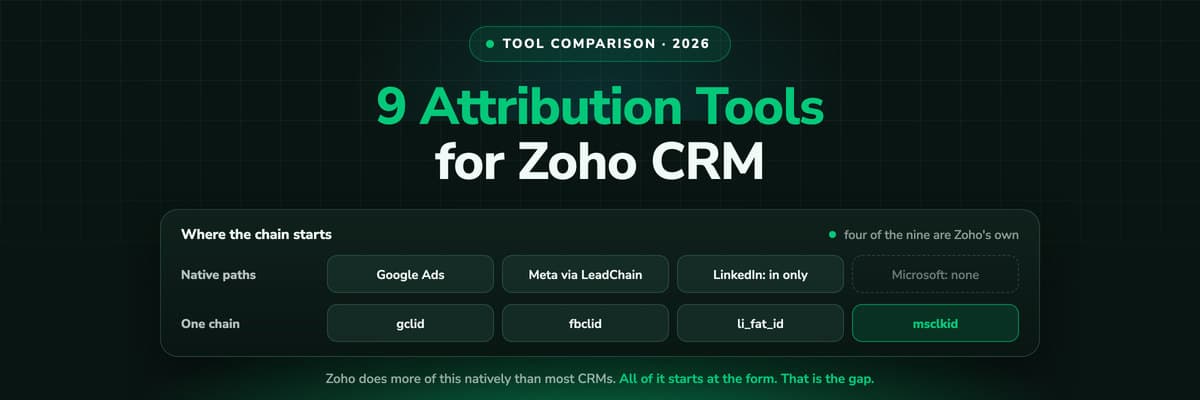
9 Best Marketing Attribution Tools for Zoho CRM in 2026
Four of the best attribution tools for Zoho CRM are Zoho products you may already pay for. Nine options compared on where the tracking starts, which ad platforms they cover, and whether the closed deal ever reaches the algorithm buying your traffic.Read the article13 min read Tool Comparisons
9 Best Marketing Attribution Tools for Microsoft Dynamics 365 in 2026
Dynamics records the revenue and nothing fills in where it came from: Lead Source is a ten-option picklist and campaign spend is typed by hand. Nine tools compared on what each can actually see in a Dynamics environment, with pricing, pros, cons and a verdict.Read the article14 min read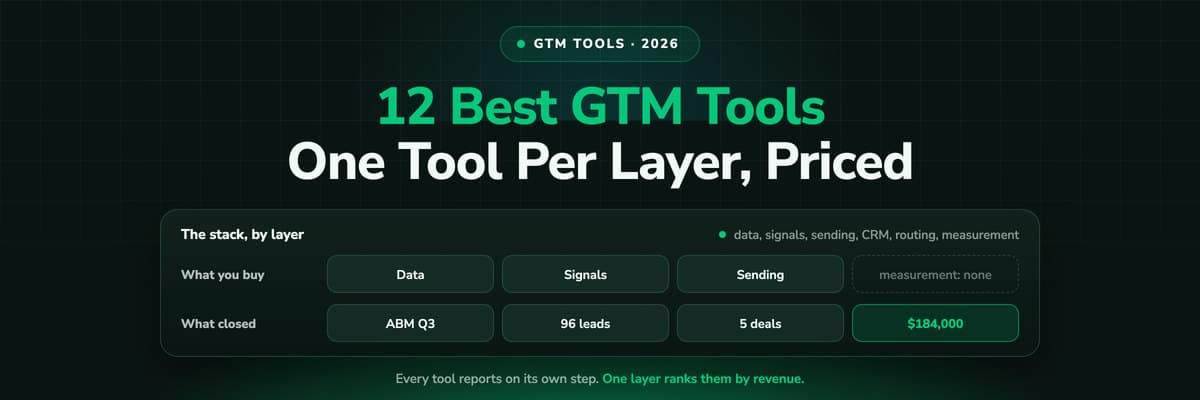 Tool Comparisons
12 Best GTM Tools and Software in 2026
A GTM stack is five or six tools that each report on their own step, which is why nobody can say which play produced the revenue. Twelve tools compared by the layer they own, with prices read this month and a verdict on who each one is for.Read the article16 min read
Beyond attendance
Your webinar platform tracks attendance.
LeadJourney adds the missing layer to your webinar stack: ad source attribution for every registration, CRM pipeline tracking to closed deal, and automated CAPI signals back to Meta, Google, LinkedIn, and Bing.